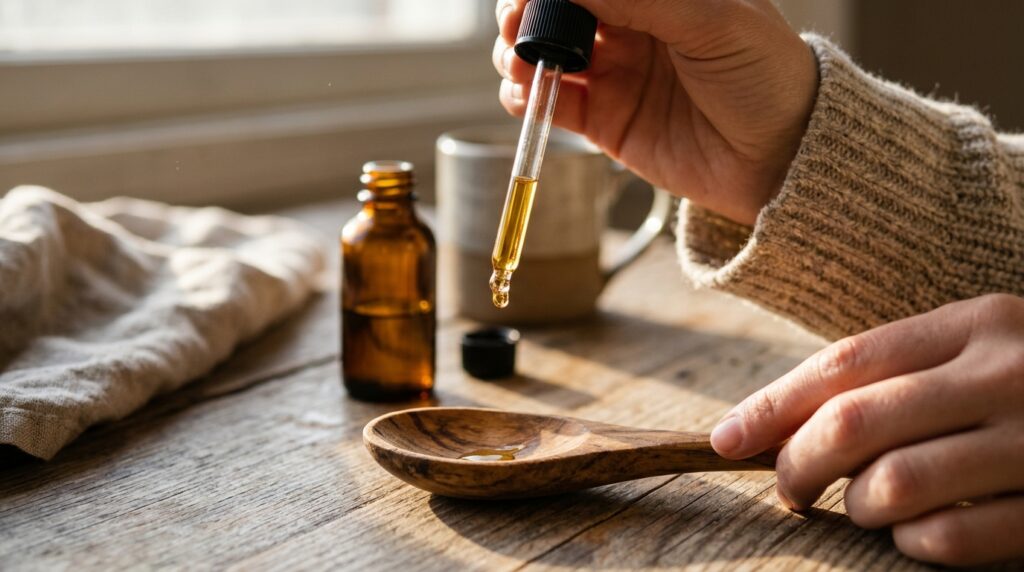
The first week with a new CBD oil is mostly about habits. A few small decisions at the start make the next month far easier to read.
Anyone starting CBD oil faces the same practical questions: how much, when, and how to tell whether it helps. The tips below turn those questions into a plain routine.
Before the First Drop
Pick one product and one purpose
Starting with a single oil and a single goal keeps the results readable. Adding three products at once makes it impossible to know which one did what. A clear target, such as “fall asleep faster,” gives the trial a finish line.
Confirm the basics
Check that the label lists CBD in milligrams, that a lab report matches the batch number, and that no ingredient clashes with an allergy. Anyone taking prescription medication, or who is pregnant or nursing, should clear the plan with a pharmacist or doctor first.
Set up a simple log
A notebook or phone note works. Record the date, the time, the amount, and a one-line comment on sleep, mood, or comfort. It takes less than a minute a day and turns vague impressions into a record.
The First Two Weeks
Start small
There is no official serving size for retail CBD oil, and sources suggest different starting points. Many label directions begin around 10 to 25 mg. A lower start of 5 to 10 mg gives room to adjust upward, and some find even that is plenty.
A sample log layout
| Day | Time | Amount | Notes |
|---|---|---|---|
| 1 | 8 pm | 10 mg | Slightly drowsy after an hour |
| 2 | 8 pm | 10 mg | No change noticed |
| 3 | 8 pm | 10 mg | Fell asleep a bit faster |
Raise slowly
If nothing changes after about a week, increase the amount by 5 mg, and give that level a few days. Stepping up gradually keeps side effects traceable. Stopping the increase once the goal is met avoids spending more than needed.
Taking It Well
Under the tongue
Place the drops under the tongue, hold them for 60 to 90 seconds, then swallow. This simple habit may improve absorption compared with swallowing right away, though the evidence is limited. A consistent routine matters more than a perfect technique.
With food
CBD absorption rises when taken with a meal that contains fat. The Epidiolex prescribing information reports exposure several times higher after a high-fat meal. Choosing the same pairing each day, such as breakfast, keeps the dose consistent.
Timing
Some people take CBD in the evening for sleep and others in the morning. The best time is the one that fits the goal and the routine, held steady across the trial. Switching times every day hides the pattern.
Storage and Staying on Track
Keep it fresh
Cannabinoids break down with light and heat. A closed bottle in a cool, dark cabinet holds up better than one left on a sunny windowsill. Most oils keep for one to two years, and the expiration date on the label is the guide. Oil that smells rancid or looks cloudy should go in the trash.
Safe storage at home
CBD oil and gummies should sit out of children’s reach and away from pets. A cabinet with a latch works well. Gummies in particular look like candy.
Review after a month
After four weeks, read through the log. Look for changes in the target area, side effects, and cost. If nothing improved at a reasonable amount, the product may not suit the goal, and stopping is a perfectly sound result. If the oil helped, the log gives a ready-made record of what worked.
Final Thoughts
A good start with CBD oil rests on one product, a low amount, steady timing, and a simple daily log. A month of notes shows whether the routine deserves a place in the week.